Pollinator Protection Fund
The Pollinator Protection Fund is an active grassroots non-profit organization founded in Southern California. We are driven by dedicated volunteers on a mission to support the unique biodiversity of the region by creating welcoming habitats for essential pollinators. Our native habitat gardens can be found in public parks, HOAs, private spaces and hotels.
We are a proud partner of the Monarch Joint Venture. Our other partners include the US Forest Service and garden clubs and communities throughout coastal Southern California.
We are now broadening our work to the United Kingdom and working in partnership with Anglia Ruskin University.
Work Pollinator
Pollinator Protection Fund Works
Public Park Monarch Butterfly and Pollinator Gardens
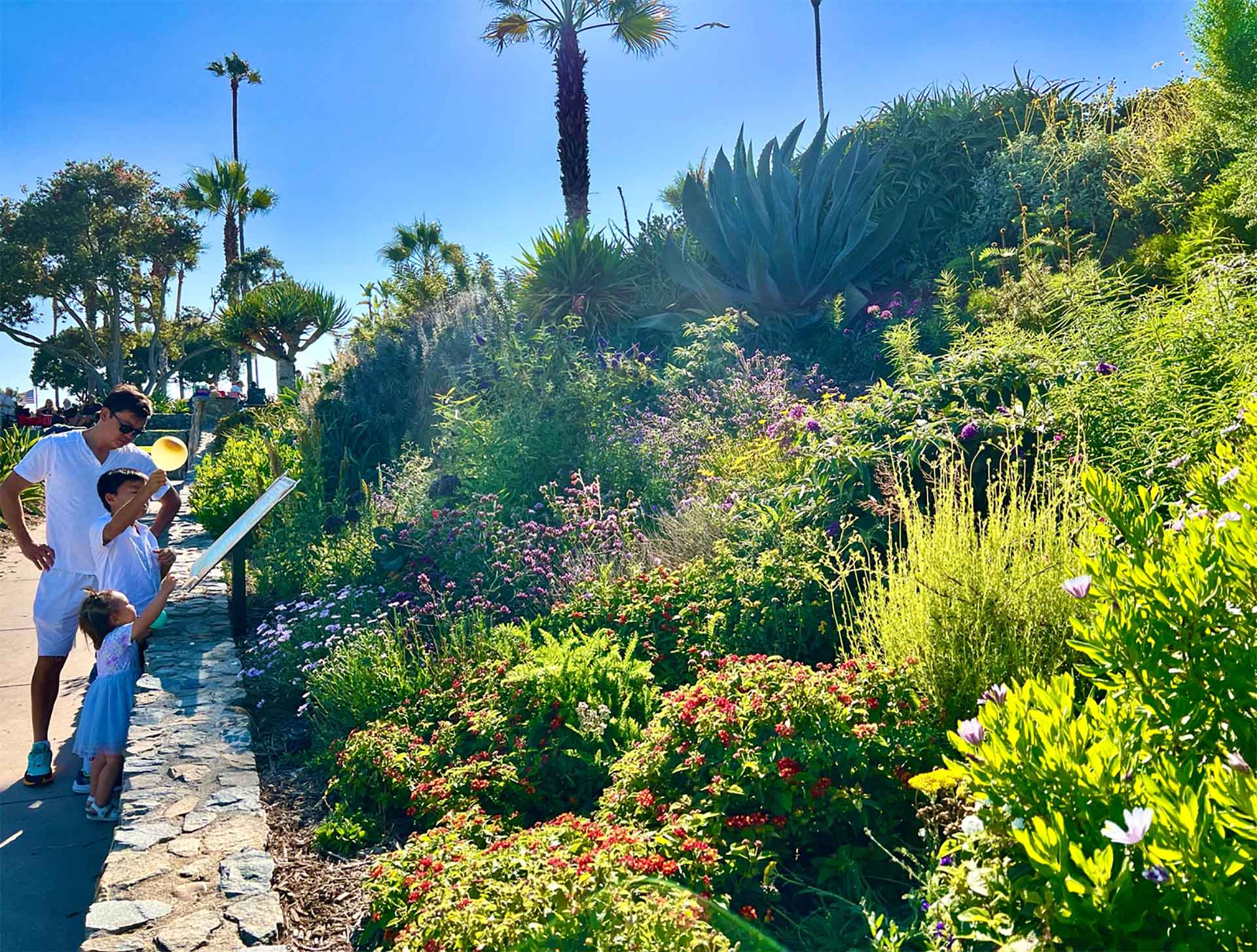
We created our first public pollinator garden in Heisler Park, Laguna Beach, with native plants and bilingual educational signs. Since then, we’ve expanded to other sites in Laguna Beach and Malibu—each designed to inspire communities to support pollinators, even with something as simple as a milkweed plant in a pot.

Hotel Butterfly Gardens
At La Jolla’s Estancia Hotel & Spa, we transformed two lifeless areas into vibrant butterfly gardens with native plants, Monarch habitat boxes, and bilingual educational signage. A honeycomb walkway and seating invite guests to enjoy the pollinator-rich space filled with butterflies, bees, birds, and more.

HOA Pollinator Gardens
In East Bluff’s Blue Heron Park, Newport Beach, we’ve created native pollinator gardens that support butterflies, moths, bees—including the rare Sonoran Bumblebee—and more. These vibrant spaces feature native trees, grasses, and host plants, with additional gardens in Newport Beach and Laguna Niguel.
Pollinator Habitat
Pollinators Need Habitat and People and The Planet Need Pollinators
Pollinators are vital for agricultural production and for maintaining intact ecosystems. More than 85% of flowering plants require an animal, mostly insects, to move pollen, and 1 in 3 mouthfuls of food we consume come from an insect pollinator. Unfortunately, pollinators are rapidly declining. The United Nations Intergovernmental Science-Policy Platform on Biodiversity and Ecosystem Services assessment found that greater than 40% of invertebrate pollinator species may be facing extinction, particularly bees and butterflies.
California
Laguna Hills, California
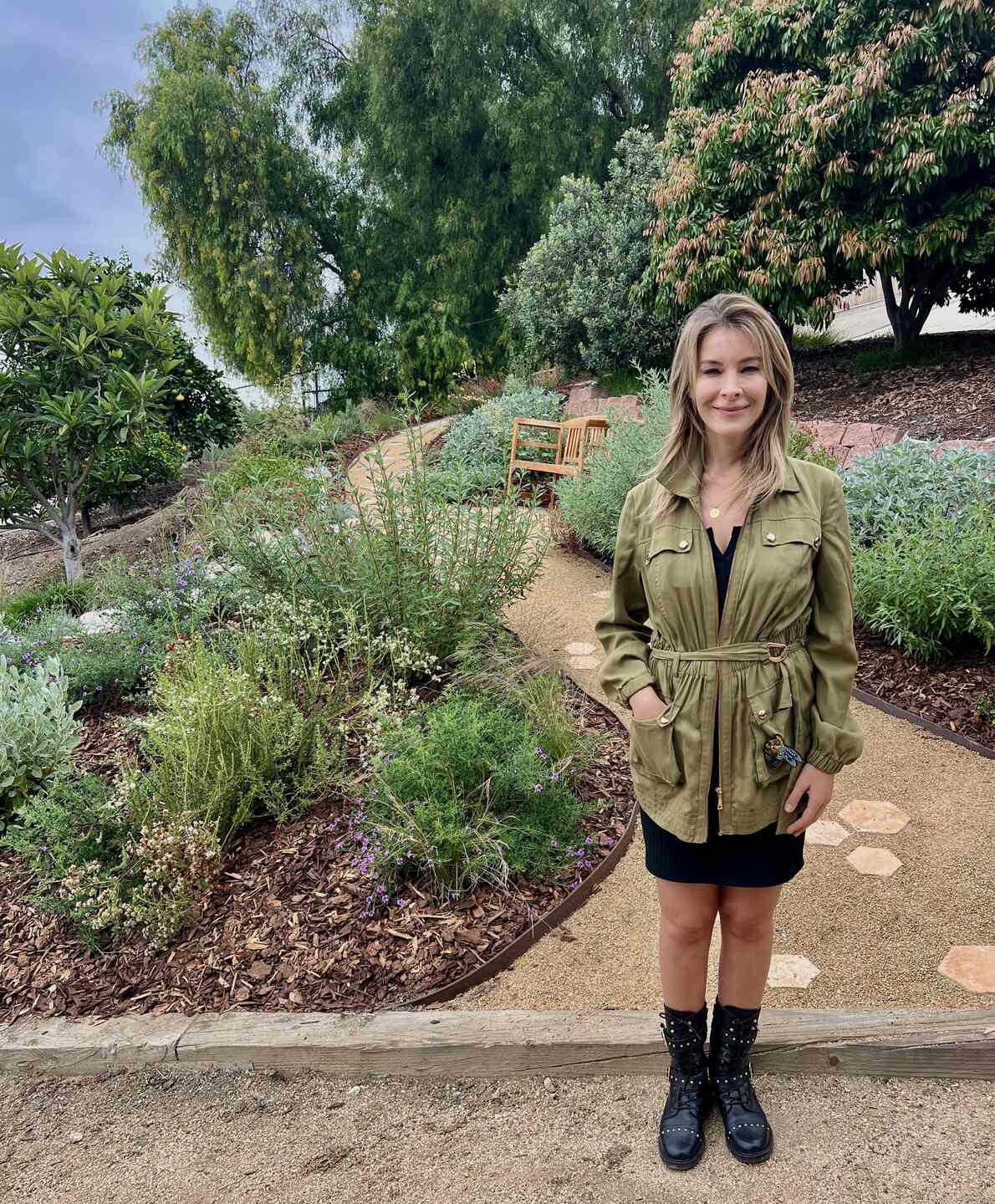
This pollinator garden design popped into my mind in an instant when I saw the fallow grass. I carefully listed the native plants that would host a plethora of pollinators in this space. I had recently experienced the joy of visiting Assisi in Italy and the hexagonal tiles on the floor of the Cathedral resonated with me. I knew that for this pollinator garden I would hand lay terracotta tiles into the pathway…


Pollinator Garden Design And Implementation
It all started with childhood walks in the English countryside and fossil hunting in the mud…I can’t go back to those days – but, as an adult, I can share the inspiration the countryside gave me as a child and connect others with its beauty. To preserve the everlasting beauty of nature is to preserve the most beautiful of life’s experiences.
Documentary
We were incredibly lucky to be followed by Ruthie Weeks – a talented young director who has created a documentary about our work.